

Quick Guide to Urgent Watercraft Repair Solutions

When you're out on the water, the last thing you want is a sudden problem with your boat or personal watercraft. Whether it’s a minor hiccup or a more serious issue, knowing how to handle urgent watercraft repair solutions can save your day and keep you safe. I’ve put together this quick guide to help you tackle common problems and get back on the water as soon as possible.
Understanding Urgent Watercraft Repair Solutions
Urgent watercraft repair solutions are all about quick, effective fixes that prevent small issues from turning into big problems. These repairs often happen on the spot or shortly after a problem arises. The goal is to keep your boat or watercraft operational and safe until you can get a full professional service.
For example, if your engine suddenly stops working, you might need to check the fuel line or battery connections immediately. If you notice a leak, a temporary patch can prevent water from flooding your vessel. Having the right tools and materials on board is essential for these quick fixes.
Here are some common urgent repairs you should be ready for:
Engine stalls or won’t start: Check fuel, battery, and spark plugs.
Hull damage or leaks: Use marine tape or emergency patches.
Electrical issues: Inspect wiring and fuses.
Steering problems: Lubricate or tighten cables.
Fuel leaks: Shut off fuel valves and contain spills.

How Do You Call for a Rescue Boat?
Sometimes, despite your best efforts, you might need professional help on the water. Knowing how to call for a rescue boat is crucial. Here’s what you should do:
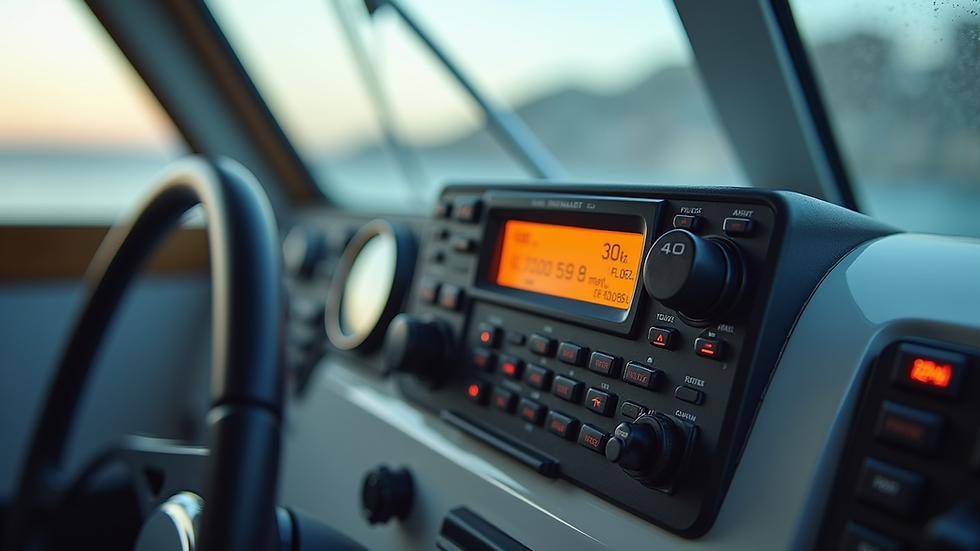
Use your marine radio: Channel 16 is the international distress frequency. Clearly state your vessel name, location, and the nature of your emergency.
Use your phone if in range: Call the local coast guard or marine rescue service.
Activate emergency beacons: Devices like EPIRBs (Emergency Position Indicating Radio Beacons) send your location to rescue teams.
Signal visually: Use flares, flags, or lights to attract attention.
Always keep your communication devices charged and accessible. If you’re in the Phoenix area, local marine rescue services are familiar with the lakes and waterways, so providing clear location details helps them reach you faster.
Essential Tools and Supplies for On-the-Spot Repairs
Having a well-stocked emergency repair kit on board is a game-changer. Here’s what I recommend including:
Marine-grade duct tape: For quick hull patches and securing loose parts.
Epoxy putty: Seals leaks and cracks temporarily.
Spare fuses and wiring: Fix electrical issues fast.
Basic hand tools: Screwdrivers, pliers, wrenches.
Spare spark plugs and fuel filters: Keep your engine running smoothly.
Portable air pump or bilge pump: Remove unwanted water quickly.
Rope and zip ties: Secure loose items or rig temporary fixes.
Regularly check your kit and replace used or expired items. Knowing how to use these tools confidently can make all the difference when you’re in a pinch.
Step-by-Step Guide to Common Emergency Repairs
Let’s walk through some typical scenarios and how to handle them:
Fixing a Leaking Hull
Locate the leak by inspecting the hull carefully.
Dry the area as much as possible.
Apply marine-grade duct tape or epoxy putty over the leak.
Monitor the patch and prepare for a professional repair as soon as possible.
Restarting a Stalled Engine
Check the fuel level and quality.
Inspect battery connections for corrosion or looseness.
Replace or clean spark plugs if necessary.
Try restarting the engine after these checks.
Repairing Electrical Failures
Check the fuse box for blown fuses.
Inspect wiring for visible damage.
Replace faulty fuses or repair wiring with electrical tape.
Test the system before heading back out.
Temporary Steering Fix
Lubricate steering cables and joints.
Tighten any loose bolts or screws.
Avoid sharp turns until you can get a full repair.
These quick fixes are designed to keep you safe and mobile until you can reach a professional service.
Staying Safe While Performing Repairs
Safety is my top priority when dealing with urgent repairs on the water. Here are some tips to keep in mind:
Always wear a life jacket.
Work in calm water conditions if possible.
Keep tools and supplies organized to avoid accidents.
Don’t attempt repairs beyond your skill level.
Inform someone onshore about your situation and location.
Use gloves and eye protection when handling chemicals or sharp tools.
Remember, quick fixes are temporary. Once you’re back on shore, schedule a thorough inspection and repair with a certified marine technician.
Keeping Your Boat Ready for Emergencies
Prevention is the best way to avoid emergency repairs. Here’s how I keep my boat ready:
Regular maintenance checks on the engine, hull, and electrical systems.
Clean and inspect fuel lines and filters.
Test communication devices before every trip.
Keep an updated emergency repair kit on board.
Take a basic marine repair course to boost confidence.
By staying prepared, you reduce the chances of being caught off guard and increase your chances of handling any situation calmly.
If you ever find yourself needing quick fixes, remember that emergency boat repair services are available to help you get back on the water safely. Mobile marine repair experts can come directly to your location, saving you time and stress.
With the right knowledge and tools, you can handle most urgent watercraft repair solutions confidently. Stay safe, stay prepared, and enjoy your time on the water!


Comments